Wetland travel often begins with a photograph: reeds at the window, a low roof and a long strip of sky. The more useful beginning is an address. Lapwing Hotel describes a lodge in the Norfolk Broads, while its contact panel lists a location in Finland. Those details do not establish a single destination. Before making travel arrangements in 2026, ask which property and address any booking actually refers to.
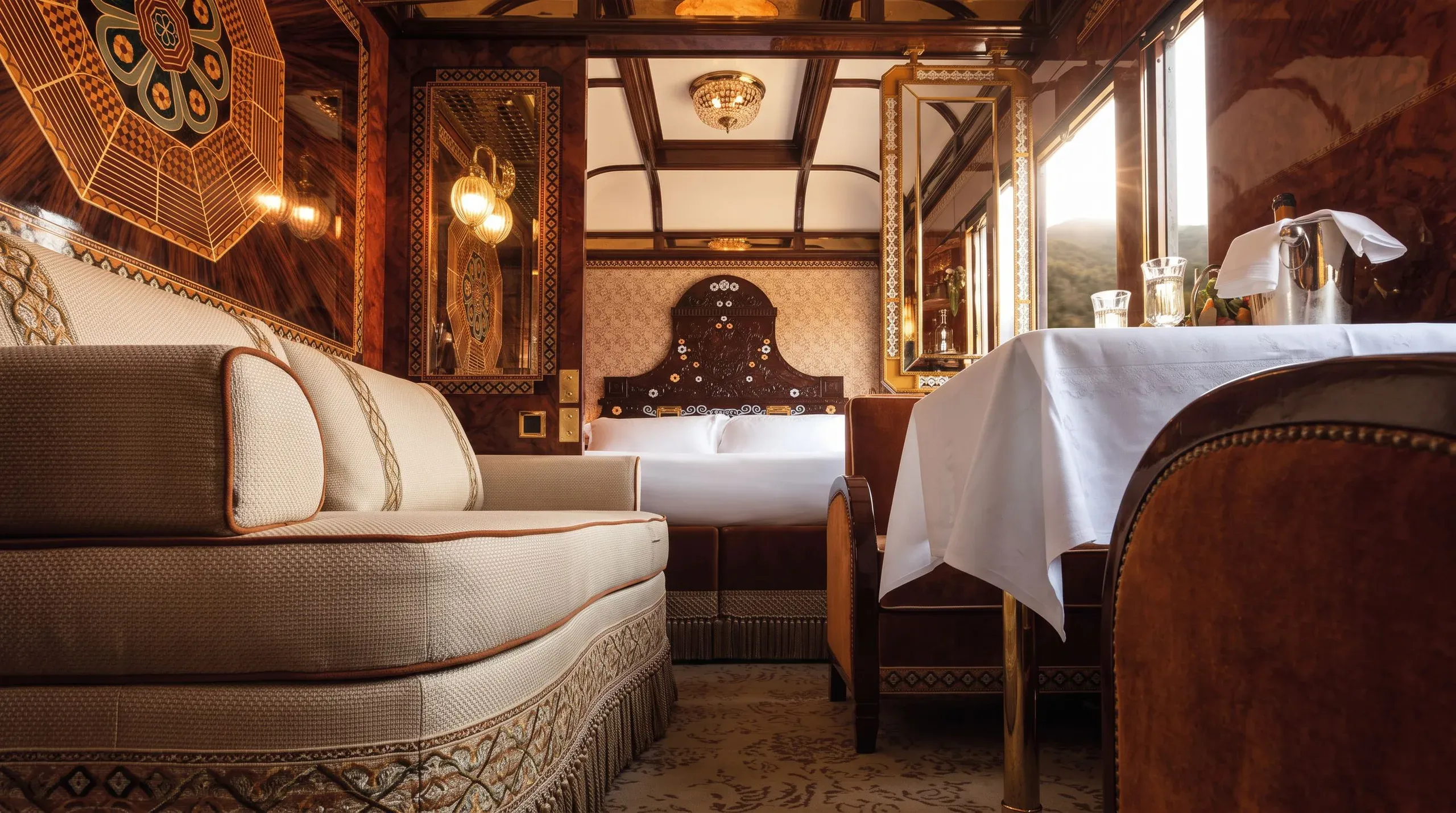
Separate scenery from arrival facts
The original site calls its property details illustrative. Its description of marsh rooms, bird hides and trails is therefore a concept introduction, rather than proof of facilities at an operating hotel. Keep that distinction when reading attractive travel copy. A reservation confirmation should identify the accommodation independently, including the full address, the arrival contact and the services included in the room rate.
Do not turn the address mismatch into a guess about where to go. Ask the booking provider to resolve it before buying transport. Save the answer with your reservation, rather than relying on a search result or an old browser tab. If no reservation service is connected, the availability form alone does not confirm a room. A useful next step is a direct question, followed by a clear written reply.
Questions worth sending together
- Which full address belongs to the accommodation being offered?
- Where should arriving guests go, and whom should they contact?
- Which room features and services are confirmed for these dates?
Build a day with a return
Once a destination is confirmed, wetland travel becomes a question of pace. A route beside water may look short on a map but still involve a bridge, a detour or a surface that is uncomfortable in rain. Choose the return before adding extra stops. That leaves room for a meal, dry clothes and an evening at your own pace, whether the wider trip includes a casino resort or simply a quiet lodge.
Carry the route information you need without assuming a continuous phone signal. A saved map is useful only if you can recognise its paths and access points. Ask locally about conditions before setting out, and choose footwear for the surface rather than the photograph. This article does not verify trail access or transport timetables; those details belong to the destination and the day you actually intend to visit.
Leave room for changes
- Choose a shorter alternative that still feels like an outing.
- Keep a dry layer separate from damp outdoor clothing.
- Agree on a meeting place if companions take different routes.
Compare the practical choices
A full itinerary is not always a better one. Compare the effort of each option with what you want from the day. Someone hoping to watch the changing light may prefer one sheltered stop to several transfers. Another traveller may enjoy a longer route but need a reliable way back. Neither choice needs to be justified by the number of places visited or the evening entertainment left on the schedule.
| Choice | Check first | Leave space for |
|---|---|---|
| Short walk | Surface and access | A weather pause |
| Longer outing | Return route | Rest before dinner |
| Indoor afternoon | Confirmed facilities | Separate interests |
Room comfort matters when you return with wet shoes or tired feet. The journal’s marsh room reading considers those practical details. For a later casino-resort visit, the evening spaces article helps separate a shared meal from optional entertainment. These are planning questions, not claims that Lapwing operates a casino.
Author’s opinion
I would settle the address before collecting beautiful routes. Uncertainty at that stage affects every later choice, while a clear confirmation gives the rest of the trip room to breathe. My preferred day has one worthwhile outing and an uncomplicated return. The landscape can provide the memorable part; the plan should make it easier to notice, rather than demanding constant attention.
Author: Erica Hazel Moorwell. Publisher: Lapwing Destination Correspondence.